Checking Out UV Sanitation: A Crucial Tool in the Fight Versus Hazardous Virus
As the world encounters an ever-increasing hazard from damaging virus, the search for efficient approaches of disinfection has actually come to be an immediate top priority. One such technique that has actually gathered substantial attention is UV sanitation. In this discussion, we will dig into the globe of UV disinfection, revealing its potential as a vital device in the fight against hazardous virus.
Exactly How Does UV Disinfection Work?
UV disinfection functions by using ultraviolet (UV) light to eliminate damaging virus and avoid their spread. This very reliable approach includes the use of UV radiation to interfere with the DNA and RNA of microorganisms, making them incapable to duplicate and causing their ultimate devastation.
When UV light is utilized for sanitation, it is generally discharged from a light or light bulb that generates a specific wavelength of UV-C light. uv surface disinfection. This wavelength, varying from 200 to 280 nanometers, is specifically effective at penetrating the external cell wall of germs, infections, and other microbes. When inside the cell, the UV radiation targets and damages the hereditary material, stopping the microbe from replicating and triggering infection
UV sanitation systems are made to release the suitable intensity and duration of UV light to ensure effective virus removal. The dose of UV light required for disinfection depends upon variables such as the kind of bacterium, its resistance to UV radiation, and the specific application. Additionally, the system should be very carefully engineered to make certain proper exposure of the target virus and to prevent any type of prospective damage to human beings or the environment.
The Benefits of UV Sanitation
UV disinfection supplies a wide range of benefits in efficiently removing hazardous virus and decreasing the threat of infection. One of the primary benefits of UV sanitation is its capacity to supply a chemical-free and environmentally pleasant option. Unlike conventional disinfection techniques that rely upon chemicals, UV disinfection uses ultraviolet light to destroy the DNA and RNA of microbes, providing them unable to recreate and create infections. This chemical-free approach guarantees that no dangerous deposits are left behind, getting rid of any kind of possible health and wellness risks related to chemical anti-bacterials.
One more significant benefit of UV disinfection is its performance in eliminating a wide array of microorganisms. UV light has actually been confirmed to efficiently eliminate microorganisms, infections, fungis, and protozoa, including those that are immune to typical anti-bacterials. This broad-spectrum efficiency makes UV sanitation a flexible tool in numerous settings, such as medical care centers, water therapy plants, and food processing sectors.
Along with its efficiency, UV sanitation additionally offers quick sanitation cycles. Unlike various other techniques that need prolonged get in touch with times or recurring applications, UV disinfection can attain substantial virus reduction immediately. This reliable and quick process enables improved performance, reduced downtime, and raised general operational performance.
Moreover, UV disinfection is a non-contact approach, which suggests that it does not call for direct physical call with the surface areas or objects being sanitized. This feature makes it ideal for usage on fragile tools and delicate products that might be harmed or influenced by various other sanitation techniques.
Applications of UV Disinfection in Healthcare
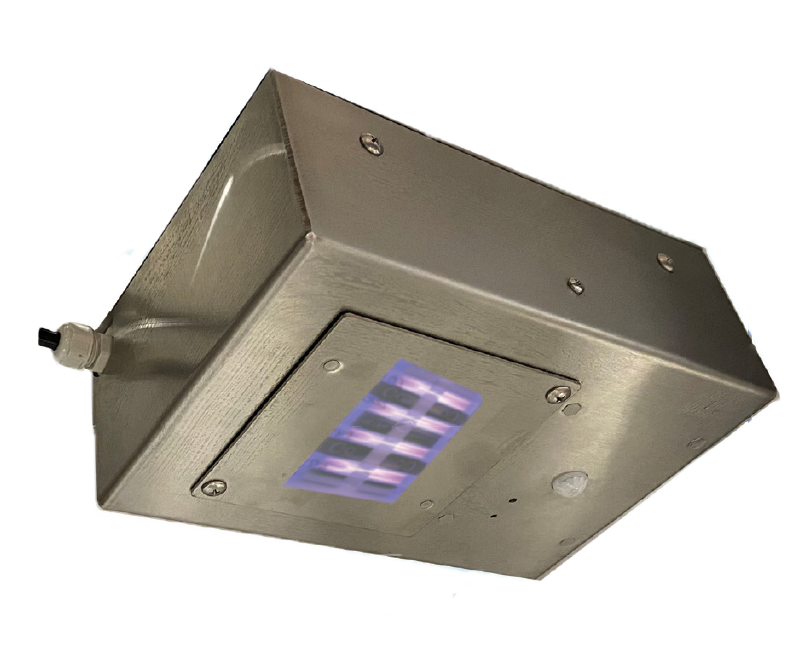
UV sanitation is additionally made use of in the sanitation of clinical tools and tools (uv surface disinfection). The high intensity of UV light can properly eliminate germs, viruses, and other bacteria, ensuring that medical devices are safe and free from contaminants. In addition, UV sanitation is utilized in water treatment systems within healthcare facilities. UV light can inactivating dangerous germs, infections, and bloodsuckers, making the water safe for usage and decreasing the risk of waterborne infections.
Moreover, UV sanitation innovation is utilized in the disinfection of health care attires and individual protective tools (PPE) By utilizing UV light, health care specialists can ensure that their uniforms and PPE are devoid of virus, preventing the transmission of infections in between clients and medical care employees.
UV Disinfection in Public Spaces
Public spaces are progressively implementing UV sanitation innovation as a vital step to combat the spread of dangerous pathogens. With the continuous global pandemic and the continuous risk of infectious illness, the need for effective disinfection approaches in public areas has actually come to be extremely important. UV disinfection supplies a reputable and efficient option hereof.
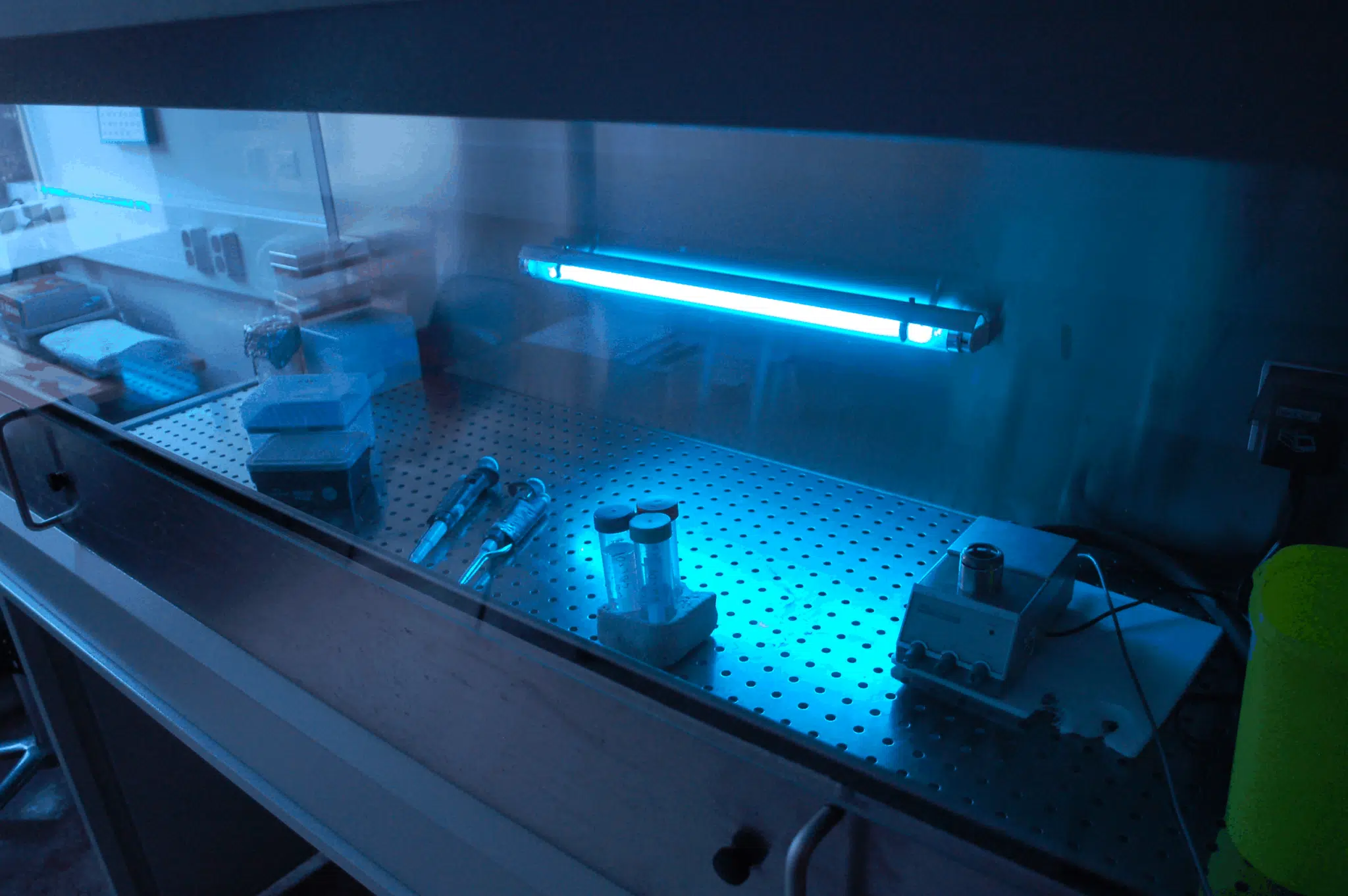
UV disinfection systems utilize ultraviolet light to shut down the DNA and RNA of germs, infections, and other microorganisms. This process disrupts their capacity to replicate and provide them safe. These systems can be mounted in various public rooms, including HVAC systems, escalators, elevators, and surface sanitation robotics. The use of UV disinfection innovation in public spaces not just assists in decreasing the risk of infection but likewise imparts self-confidence amongst the public concerning their security.
As public spaces remain to adjust to the challenges presented by transmittable illness, UV sanitation technology plays a crucial duty in making certain a clean and secure atmosphere. By implementing such steps, public rooms can efficiently alleviate the spread of harmful microorganisms and add to the general well-being of the area.
The Future of UV Disinfection Innovation
As the demand for enhanced sanitation methods proceeds to grow in feedback to the continuous global pandemic and the constant threat of infectious conditions, the future of UV disinfection modern technology holds appealing developments in guaranteeing a lot more effective and effective website here microorganism removal in different settings.
One area of improvement is the growth of even more YOURURL.com mobile and compact UV sanitation gadgets. These gadgets would enable much easier and much more flexible implementation in a selection of settings, such as offices, schools, and transport systems. Furthermore, advancements in automation and robotics are being checked out to enhance the efficiency and performance of UV disinfection processes. This includes the use of self-governing robotics outfitted with UV-C lights to browse and decontaminate big locations quickly and precisely.

One more location of expedition is the usage of UV disinfection in air purification systems. By incorporating UV-C lights right into heating and cooling systems, air-borne microorganisms can be effectively neutralized, minimizing the risk of transmission in interior environments.
In addition, scientists are examining using UV disinfection in food processing facilities to ensure the safety and security and quality of foodstuff. UV-C light has actually been found to be effective in getting rid of foodborne virus, offering a chemical-free alternative to standard sanitation methods.
Verdict
Finally, UV disinfection is a necessary device in the battle versus hazardous virus. Its performance in eliminating germs, viruses, and various other bacteria makes it a beneficial technology in medical care settings and public rooms. With its ability to provide a ecologically pleasant and chemical-free approach of sanitation, UV innovation holds fantastic possible for the future. Its widespread application can contribute to the avoidance of infections and the renovation of public wellness.
UV disinfection systems are created to give off the proper strength and period of UV light to make certain reliable virus elimination. The dose of UV light needed for sanitation depends on factors such as the type of microbe, its resistance to UV radiation, and the specific application. Unlike standard disinfection approaches that depend on chemicals, UV sanitation makes use of ultraviolet light to destroy the DNA and RNA of microorganisms, rendering them not able to duplicate and cause infections.In addition to its efficacy, UV disinfection additionally uses rapid sanitation best site cycles. One of the major applications of UV sanitation in healthcare is in the sanitation of client areas and operating theaters.